Quiz Entry - updated: 2026.07.30
How does the registration process work when a mobile device enters a visited network?
The device registers with the visited network's mobility manager (foreign agent), which then notifies the home network's HSS so both sides know the device's current location.
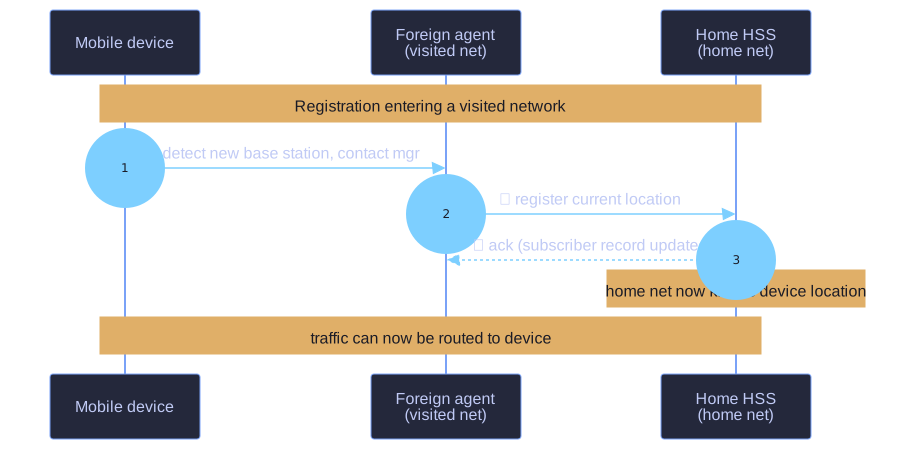
* Visited-network registration via the foreign agent to the home HSS. *
Step-by-step:
- The mobile device enters a visited network and detects a new base station
- It contacts the mobility manager (foreign agent) in the visited network
- The foreign agent registers the device's current location with the home network's HSS (the home-side subscriber database)
Result:
- The mobility manager in the home network now knows where the device is
- The HSS in the home network has an up-to-date record of the device's location
- Traffic can now be routed to the device
This registration happens automatically every time your phone connects to a new network — for example, when you land in another country and your phone picks up a local carrier through a roaming agreement.
Go deeper:
 Roaming (Wikipedia) — the live location update where the visited network contacts the home network to authorize and register the device.
- Mobility management (Wikipedia) — the location-update / TMSI registration signaling that keeps the home network's record current.