What is the difference between misinformation, disinformation, and malinformation?
Misinformation is false-but-unintended; disinformation is false-and-deliberate; malinformation is true-but-weaponised. The axes are truth and intent to harm.
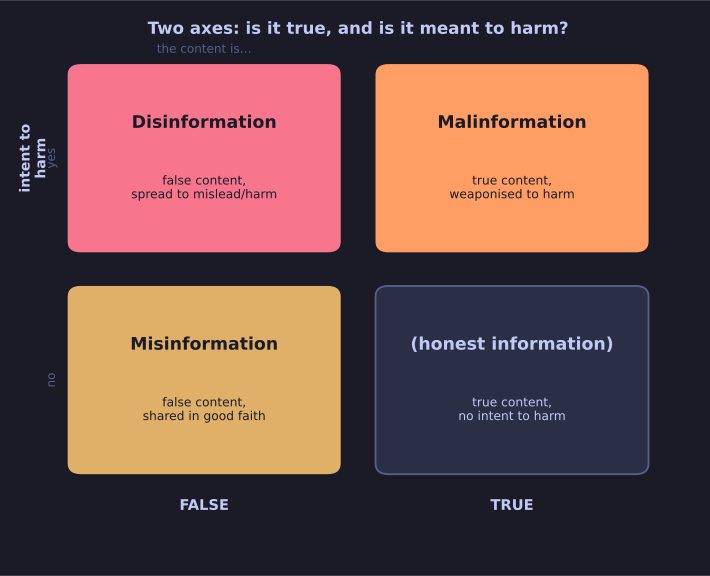
* The information-disorder matrix: falsity against intent to harm. *
These three terms are far more precise than the vague label "fake news," which is why analysts prefer to retire that phrase:
| Term | The information is... | Spread with intent to deceive/harm? |
|---|---|---|
| Misinformation | False | No — passed on innocently, no deceptive intent |
| Disinformation | False | Yes — deliberately fabricated or circulated to mislead or harm |
| Malinformation | True (accurate) | Yes — genuine facts published specifically to cause harm (e.g. leaking private but real data) |
The dividing line between misinformation and disinformation is purely the speaker's intent: identical false content is misinformation if shared in good faith, disinformation if weaponised. Malinformation is the tricky case — the content is true, so a naive "fact check" passes it, yet it's deployed to wound (doxxing, selective leaks, decontextualised real quotes).
Tip: "Fake news" collapses all three (and gets used as a slur against inconvenient reporting). Naming intent and truth separately keeps the analysis honest.
Go deeper:
 Disinformation — the deliberate-harm end of the spectrum, and how it differs from honest error.